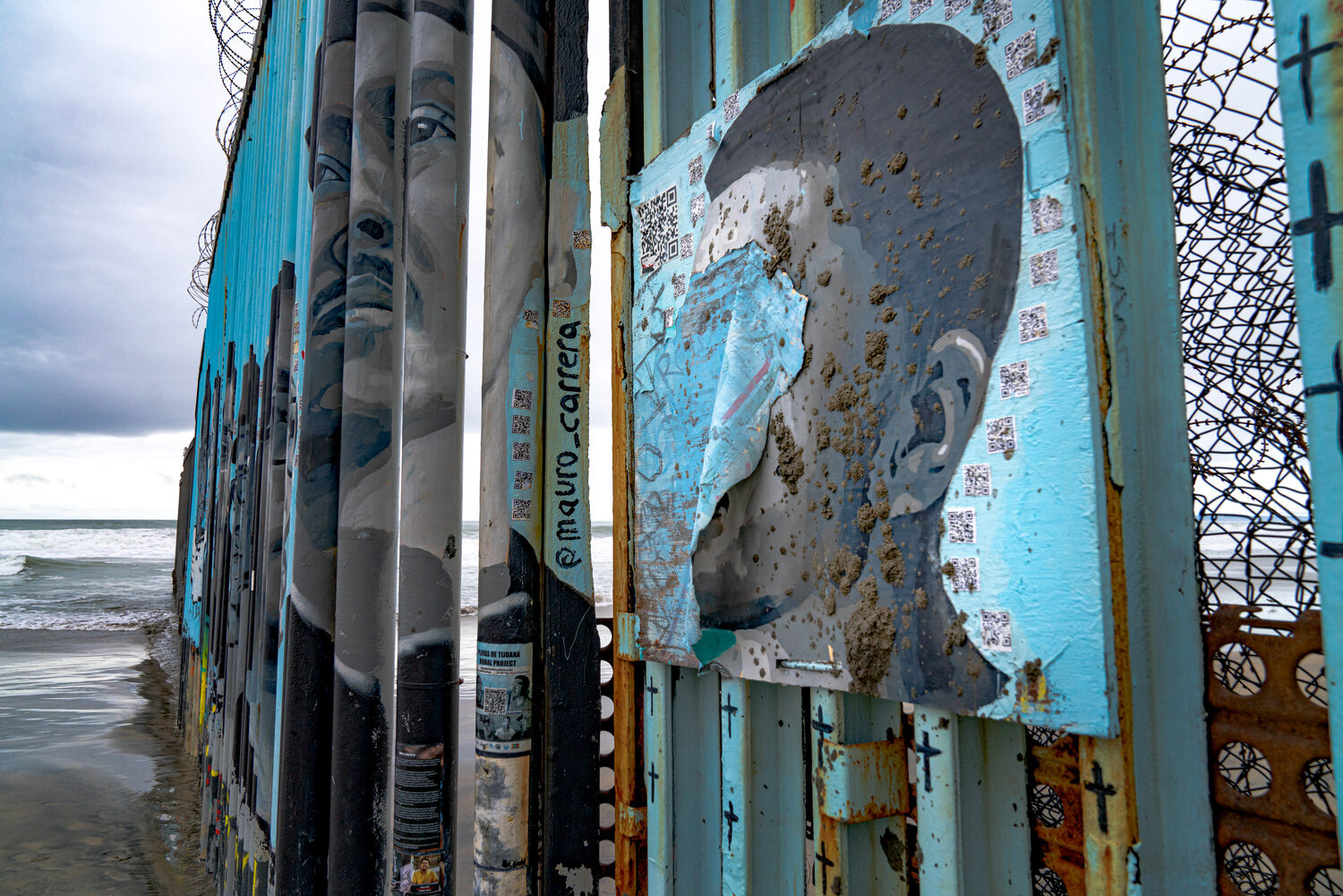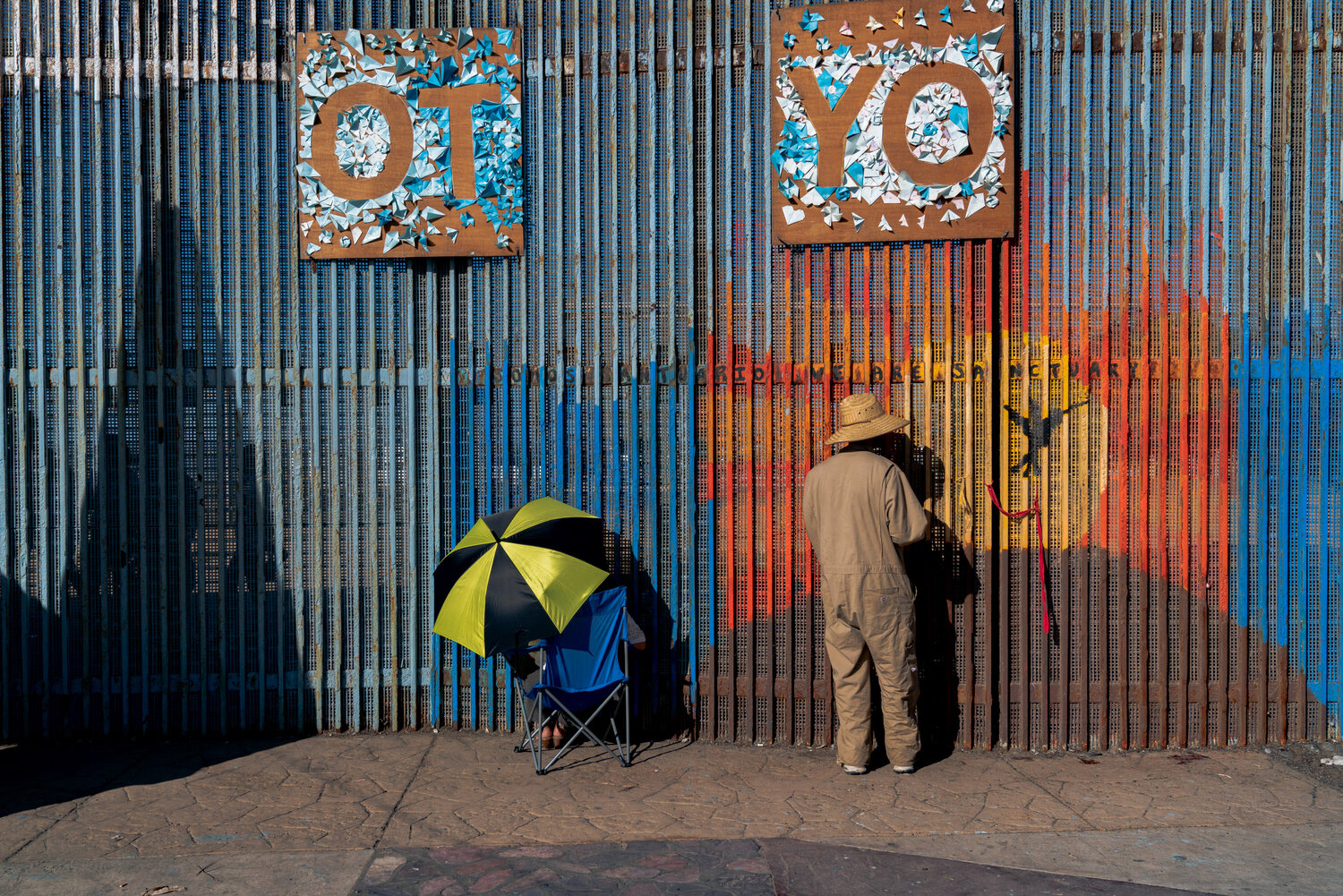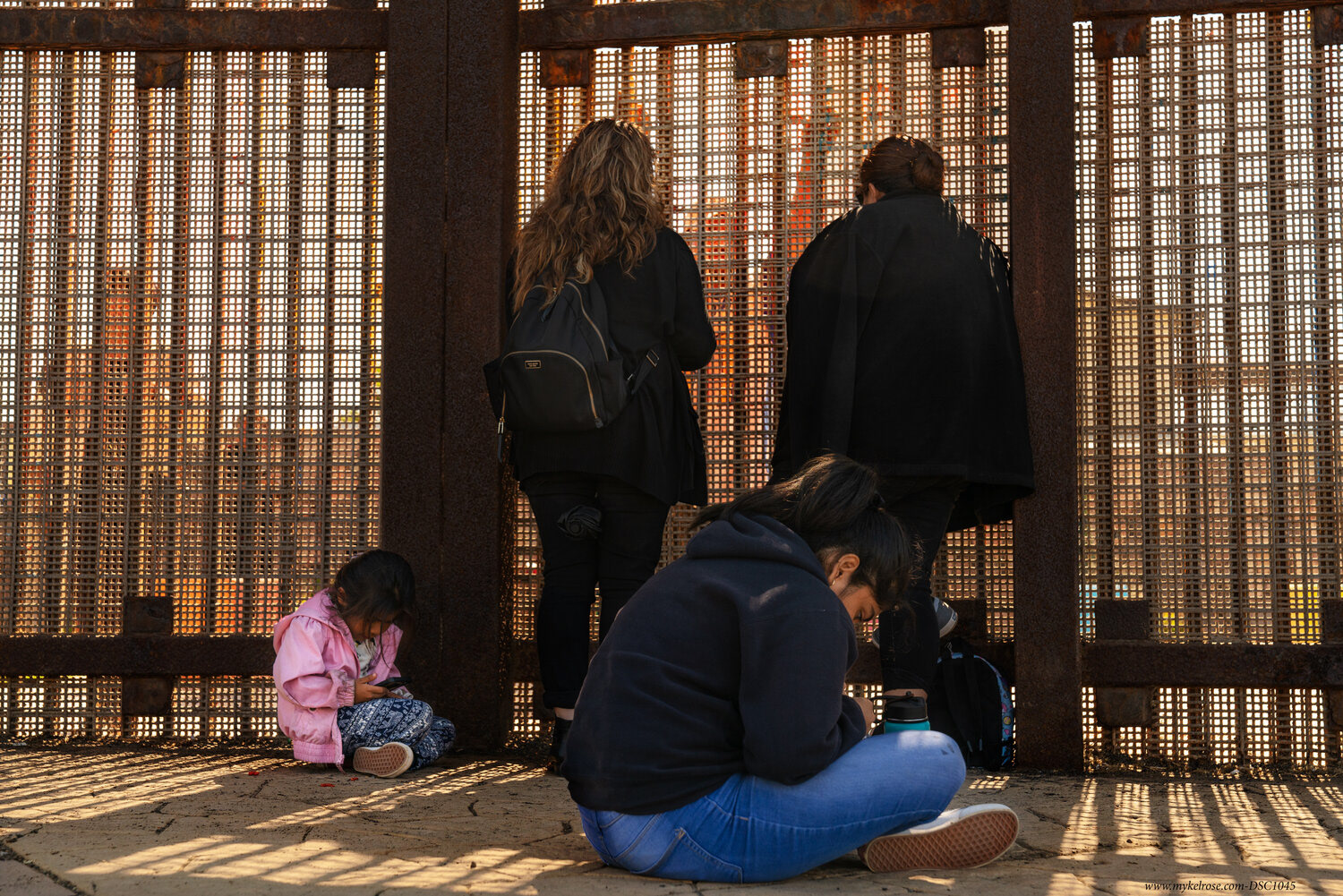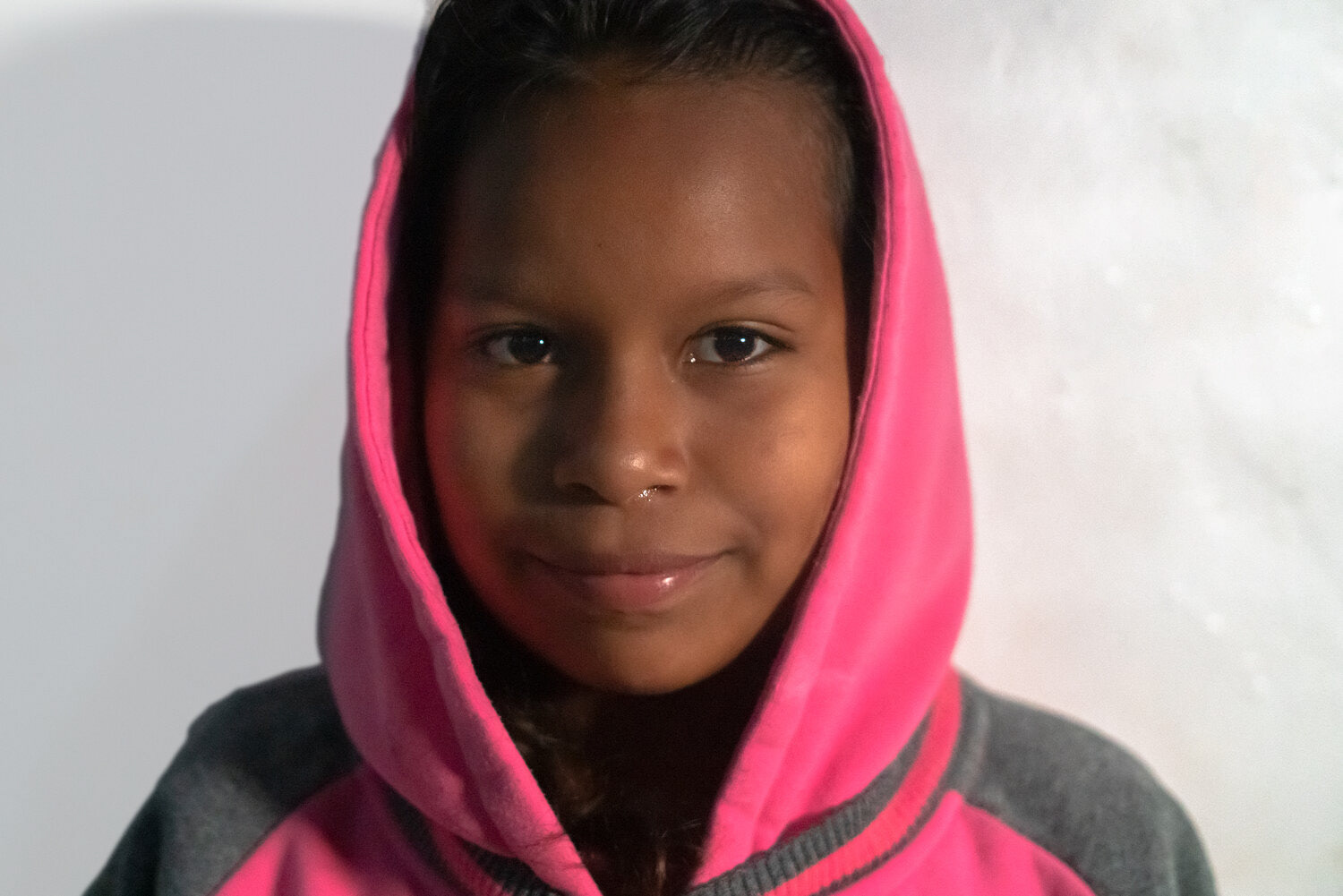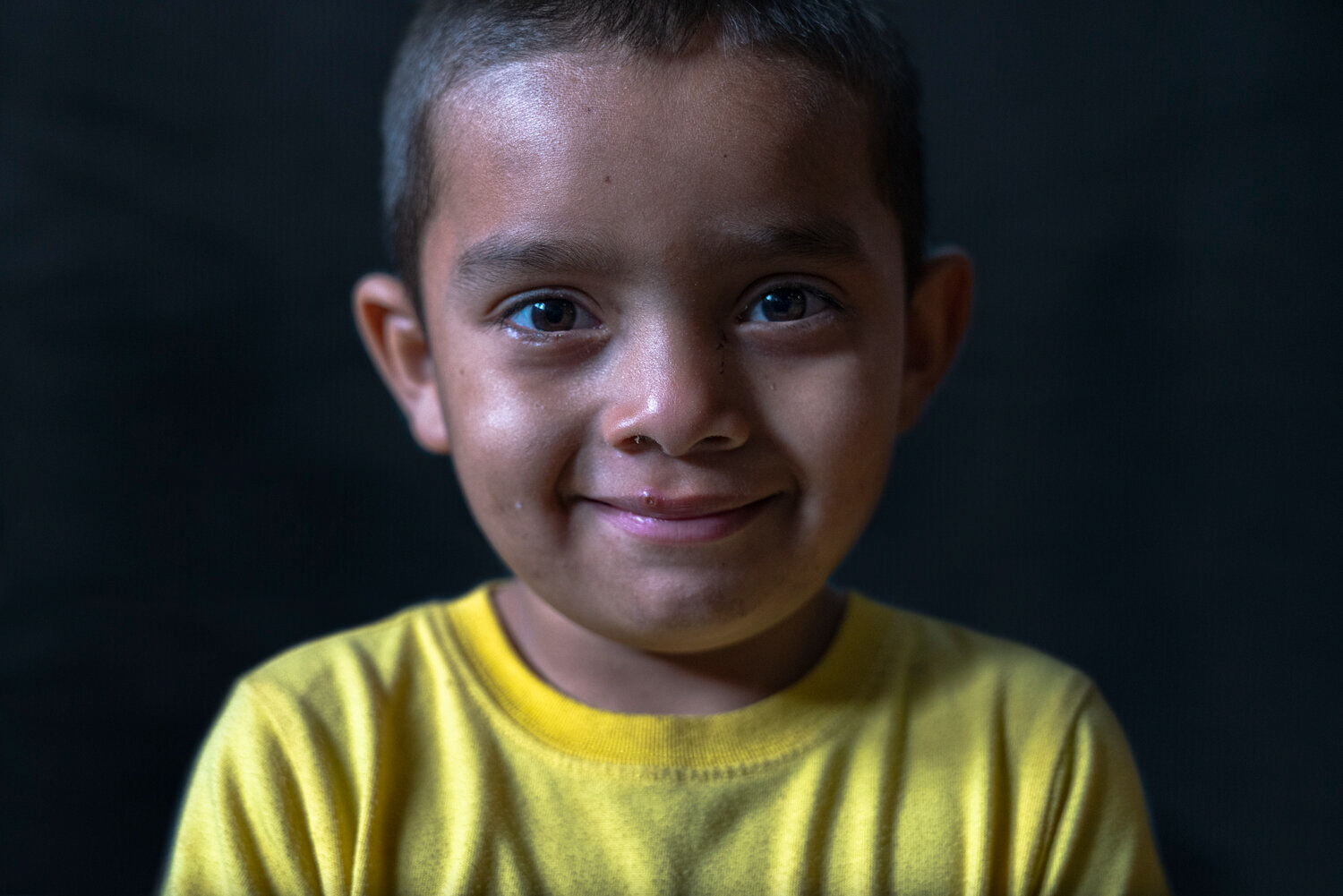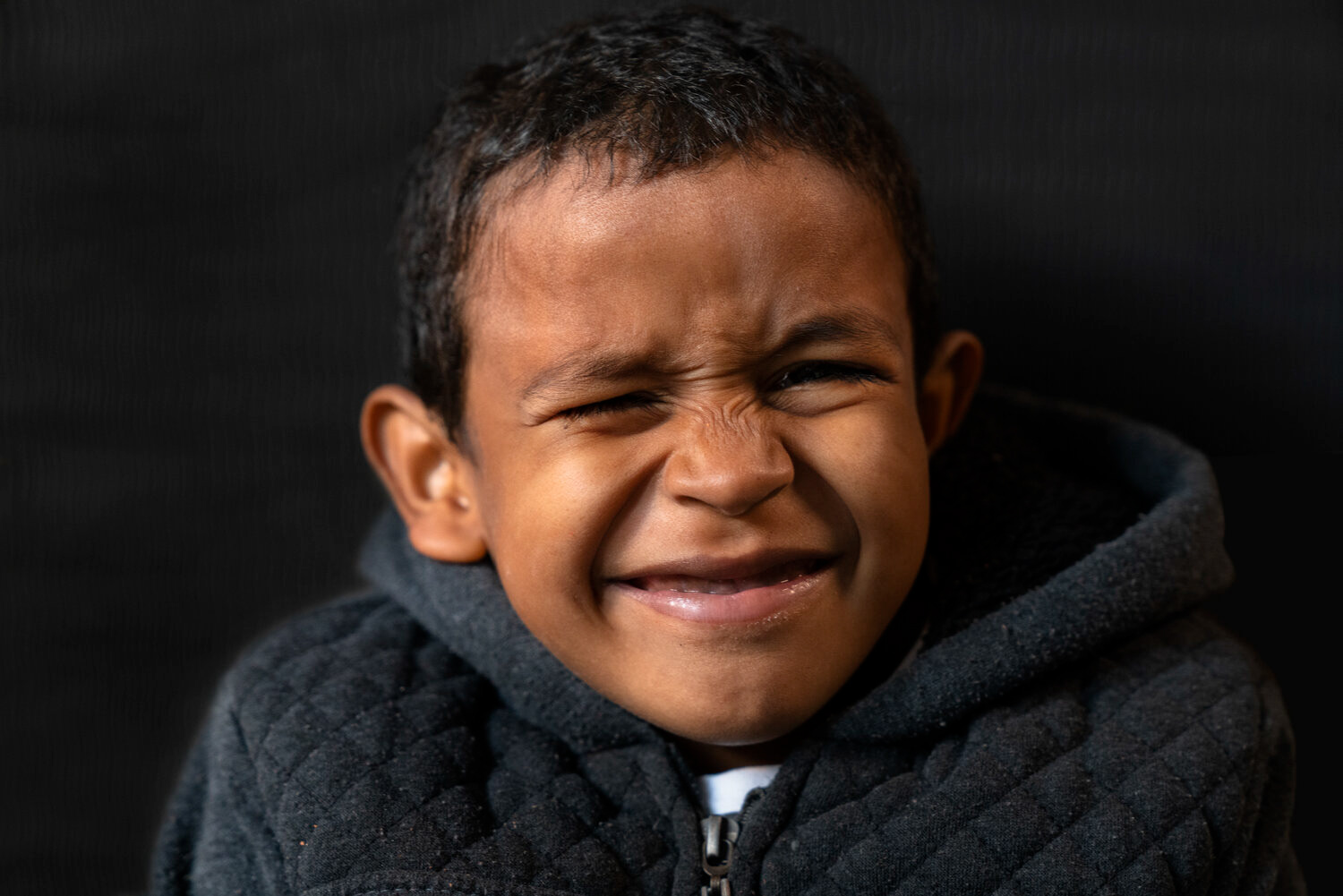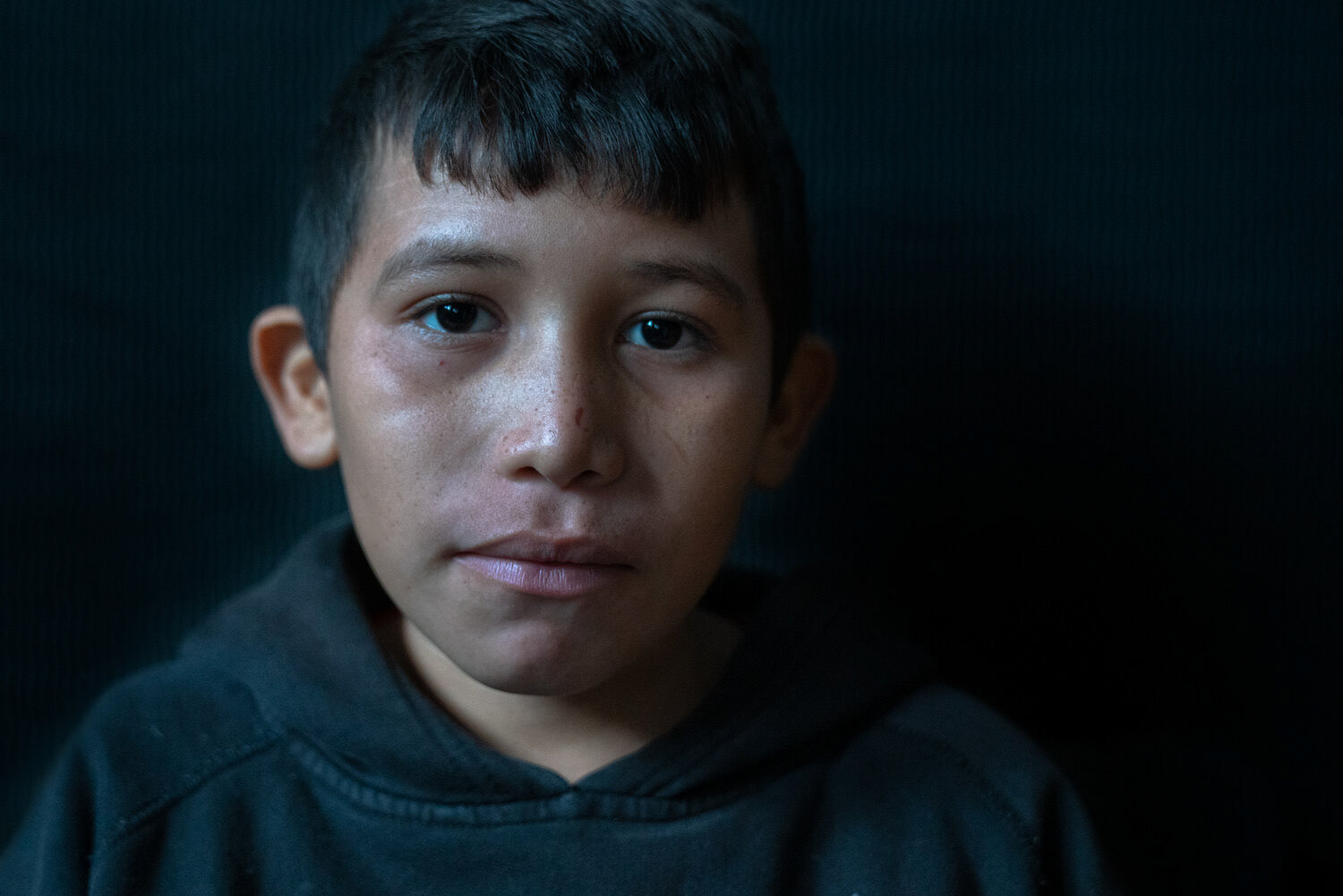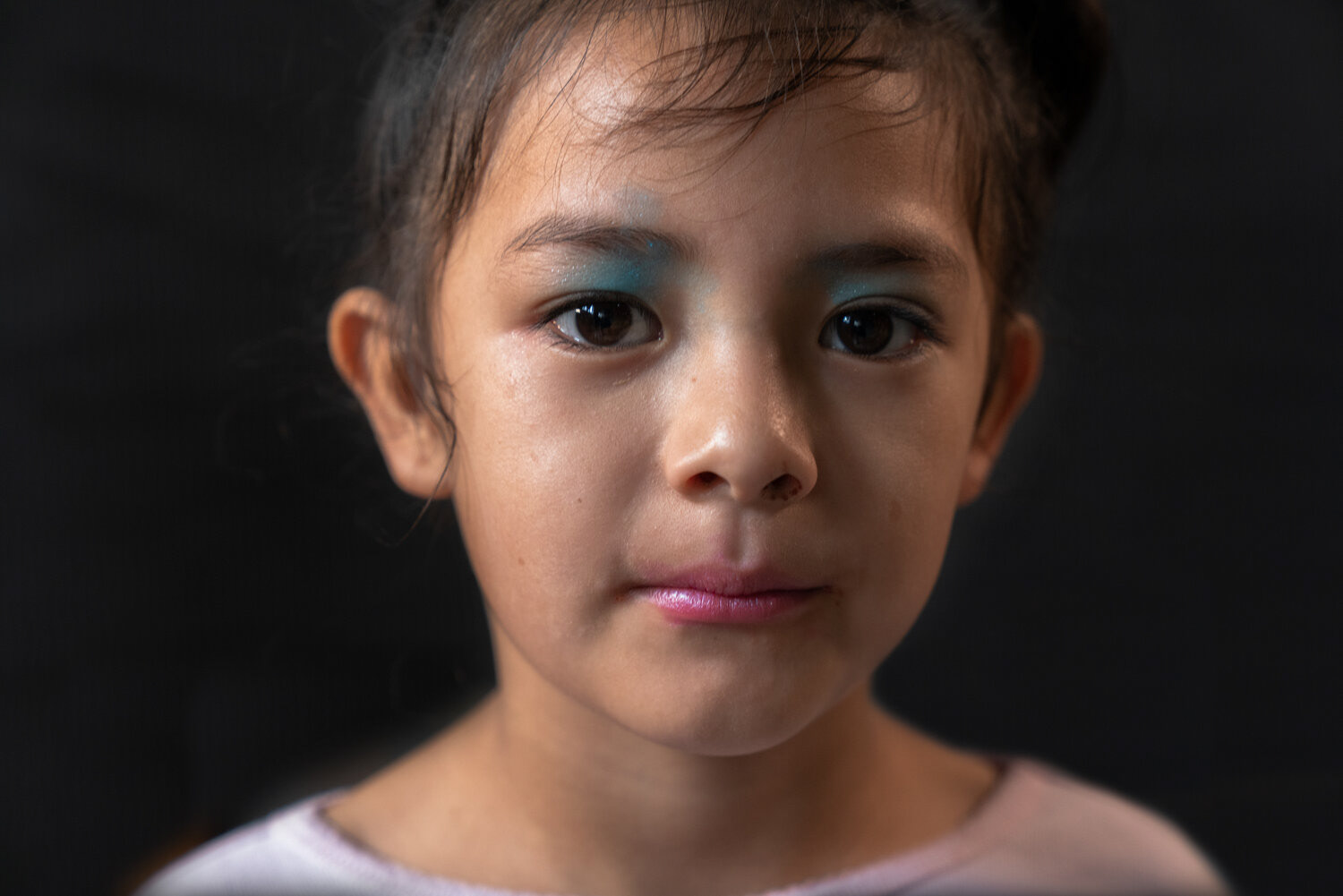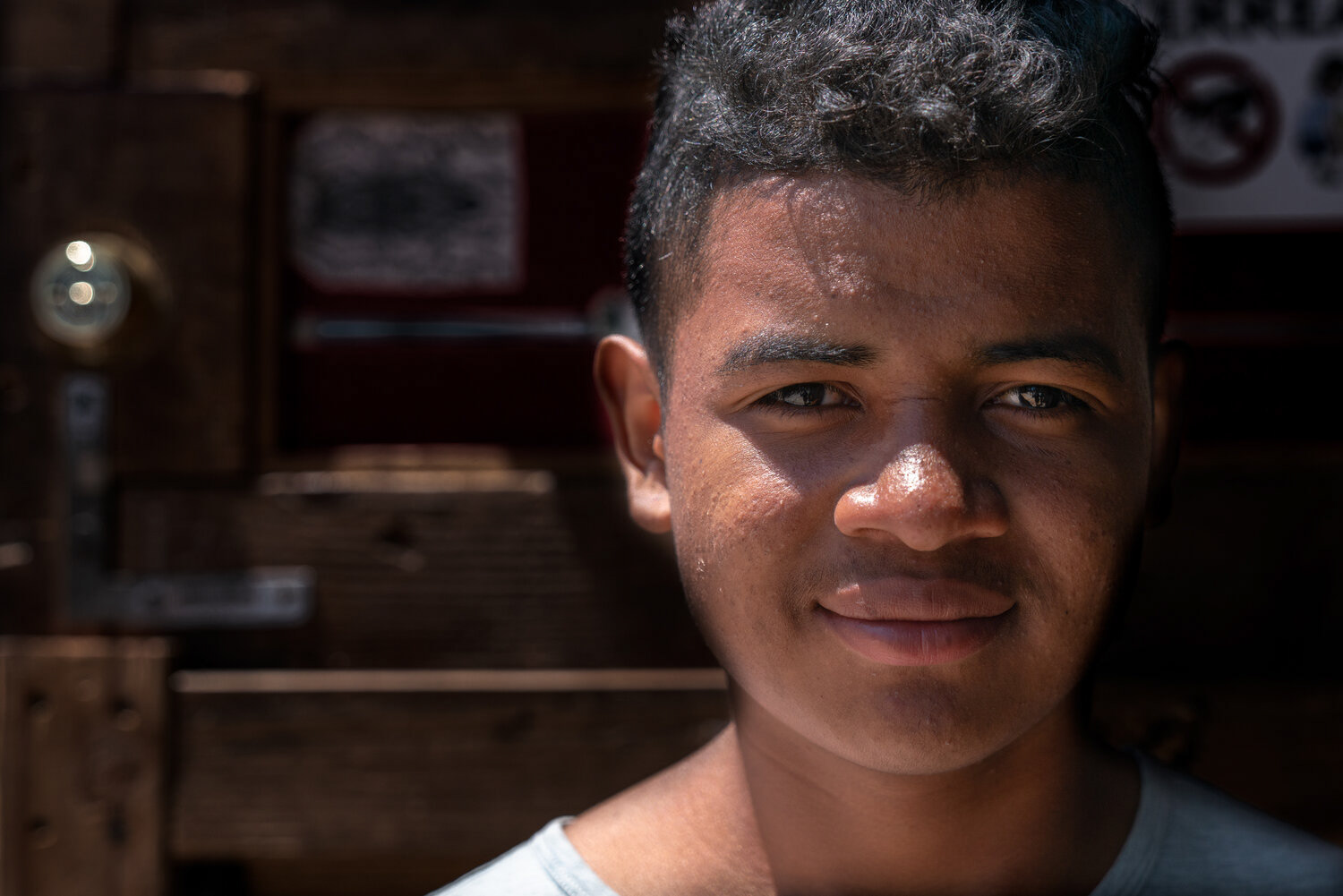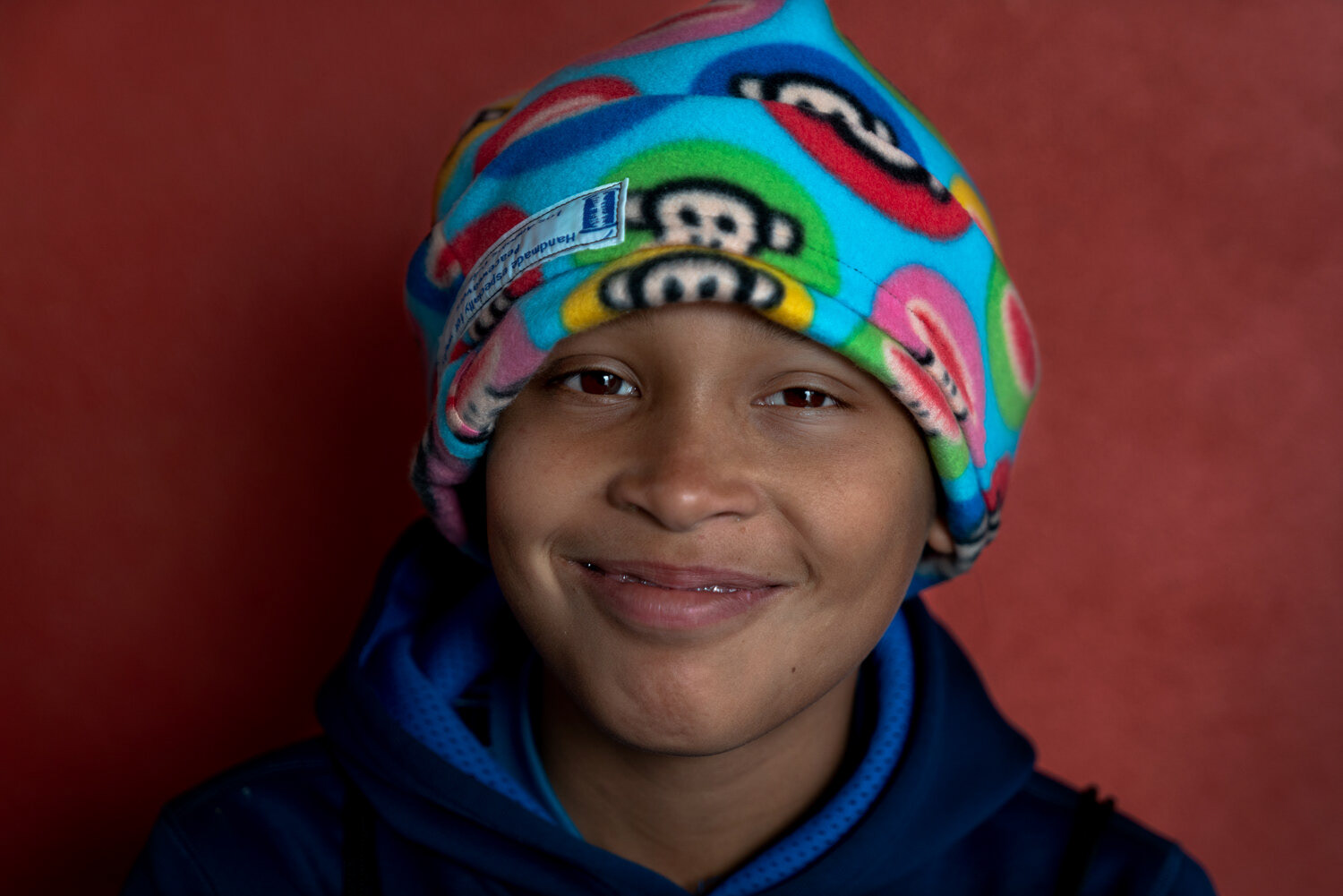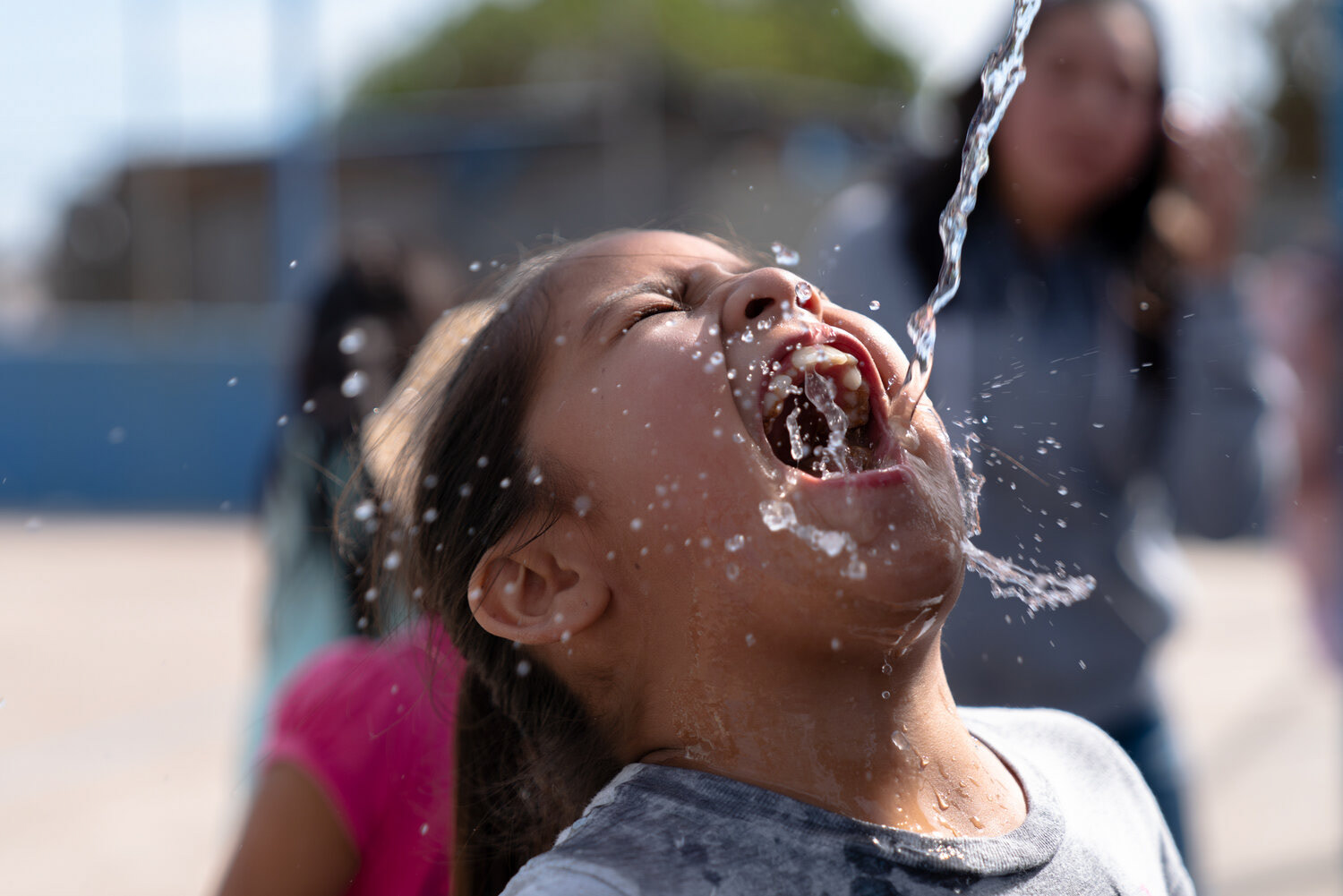
In the summer of 2019, as the U.S. immigration debate intensified and reports of the mistreatment of migrant families dominated headlines, photographer Michael Rose and journalist David Adelson traveled to Tijuana, Mexico, to see the situation for themselves. Their goal was not to replicate the news cycle, but to slow it down—listening, observing, and documenting the daily realities of people stranded at the threshold of the United States.
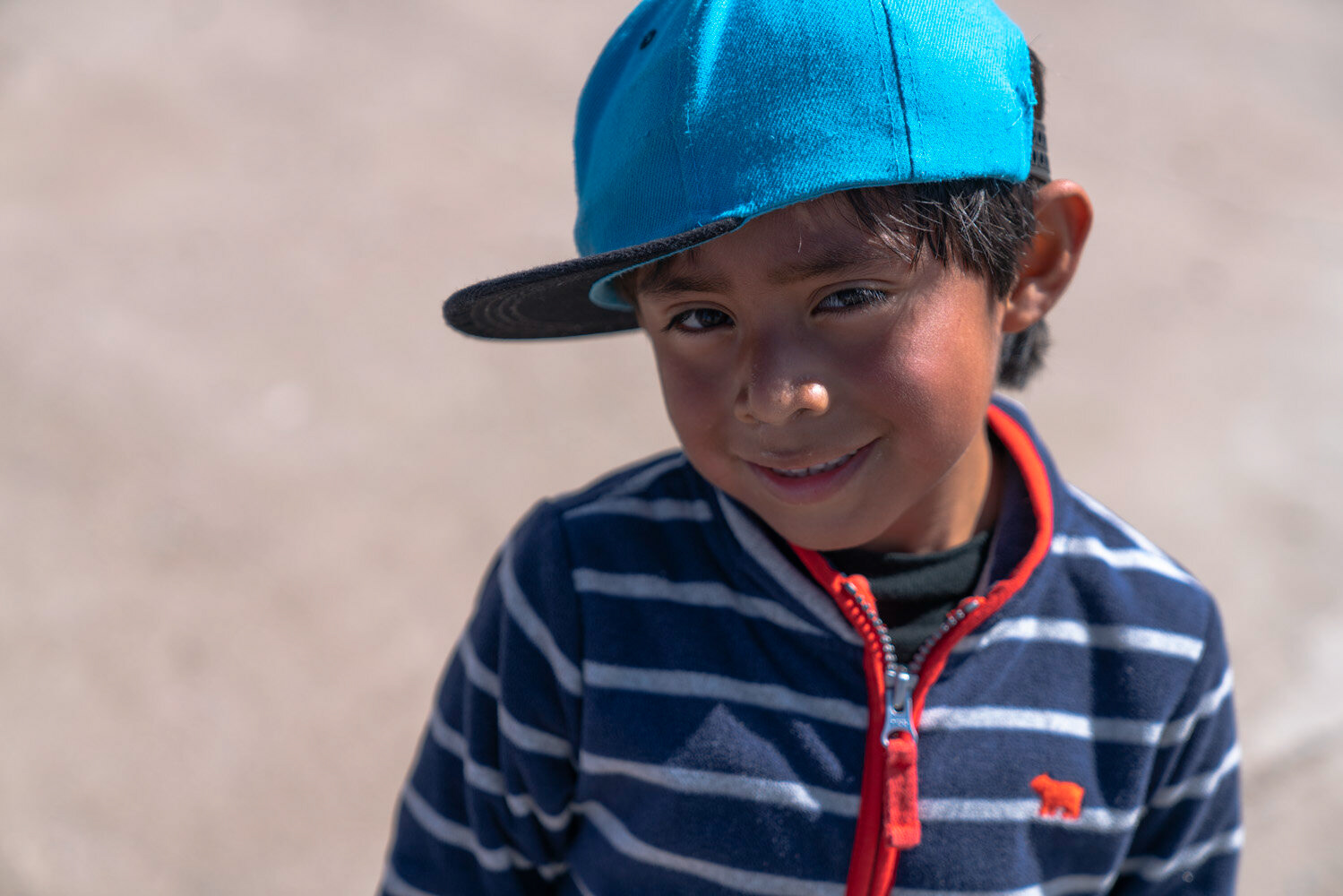
Over the course of several months, Rose and Adelson made repeated trips to Tijuana, spending time in shelters and informal camps along the border. They spoke with migrants waiting in limbo, volunteers offering legal and humanitarian aid, and workers attempting to maintain fragile systems of care. What emerged was a portrait of prolonged uncertainty: families living in crowded shelters, children improvising play in confined spaces, and adults navigating exhaustion, fear, and hope in equal measure.
Through photographs and audio recordings, the project documented both the visible and less obvious dimensions of border life—the strain of waiting, the resilience forged through displacement, and the quiet determination that persists despite repeated obstacles. Yet as the work progressed, Rose and Adelson recognized a limitation in traditional documentation. The migrants’ stories, rich and complex, needed a form of expression that was more immediate and less mediated.
That realization led to Art Day.
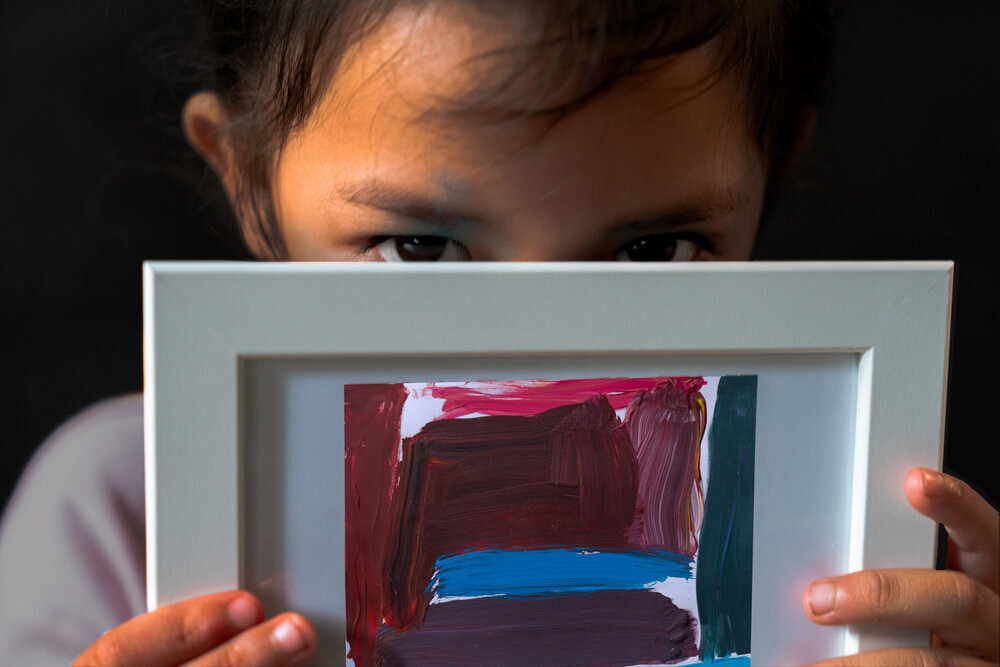
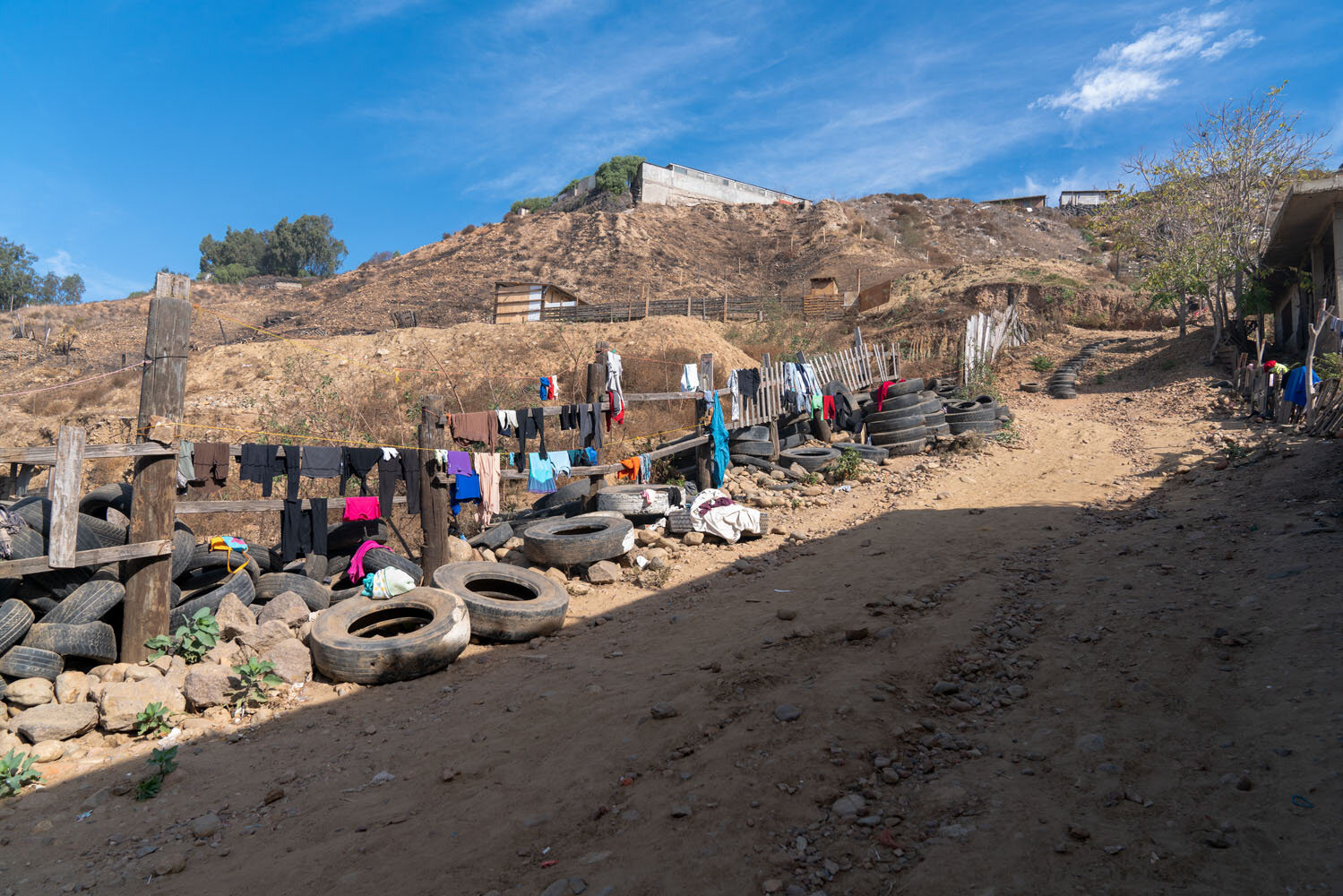
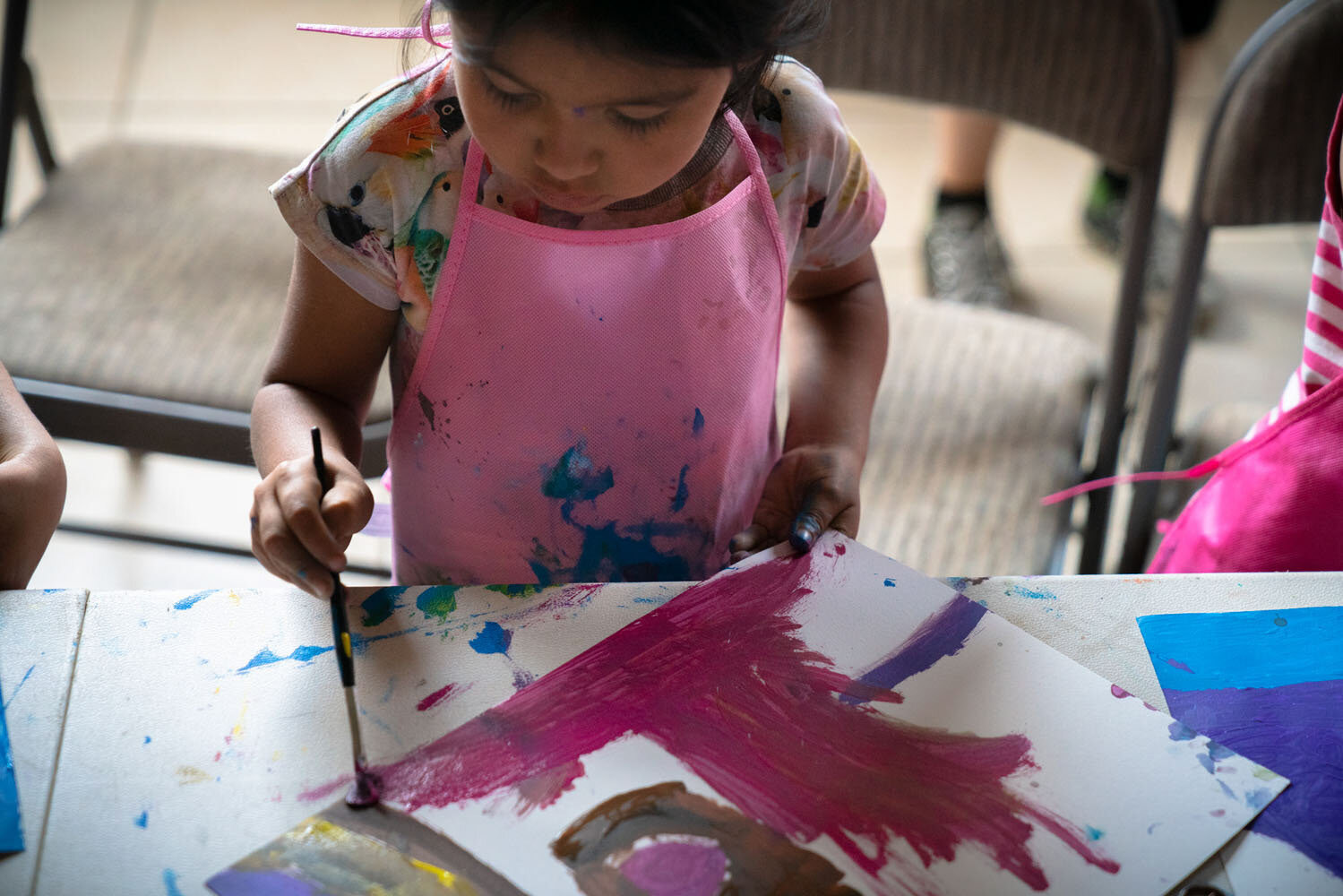
After weeks of planning and gathering materials, Rose and Adelson organized an open art workshop at Iglesia Embajadores de Jesús, a large migrant shelter set in a narrow canyon on the outskirts of Tijuana, housing refugees from Haiti and Central America. Participants were given paper and paint and invited to depict their journeys, memories, and aspirations. No instructions beyond that.
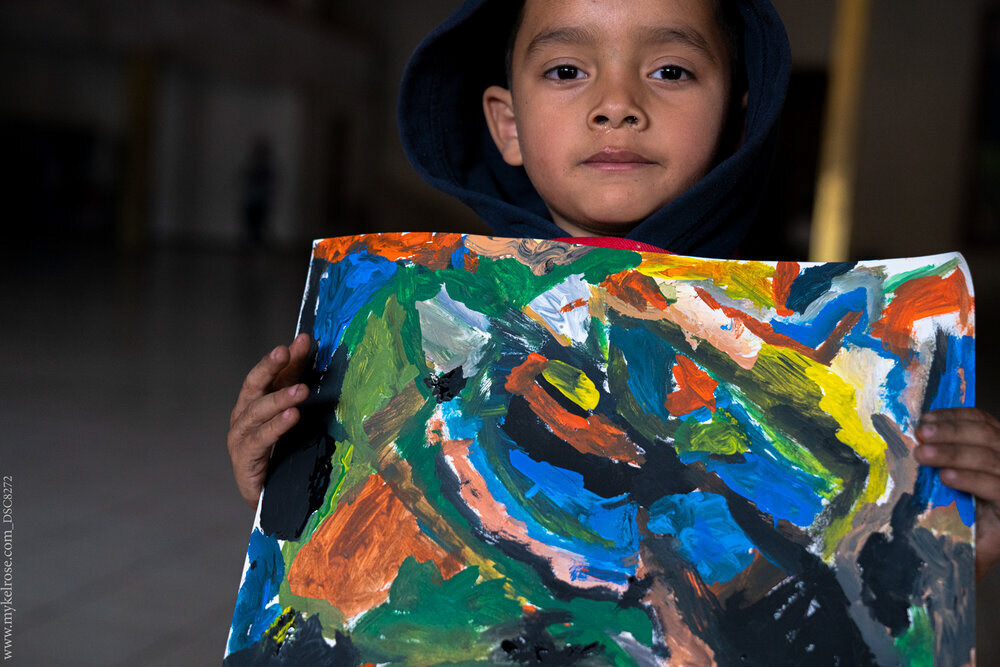
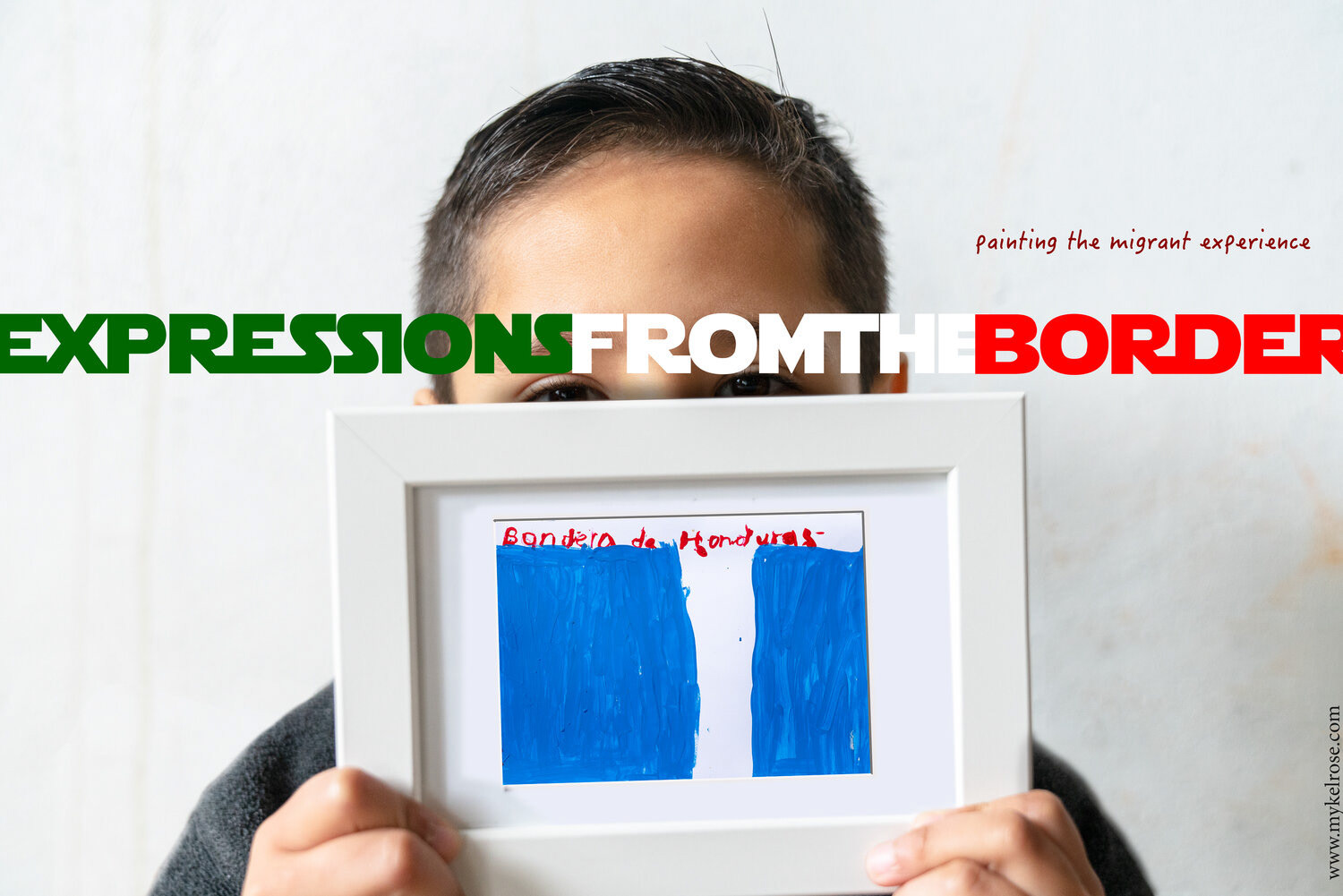
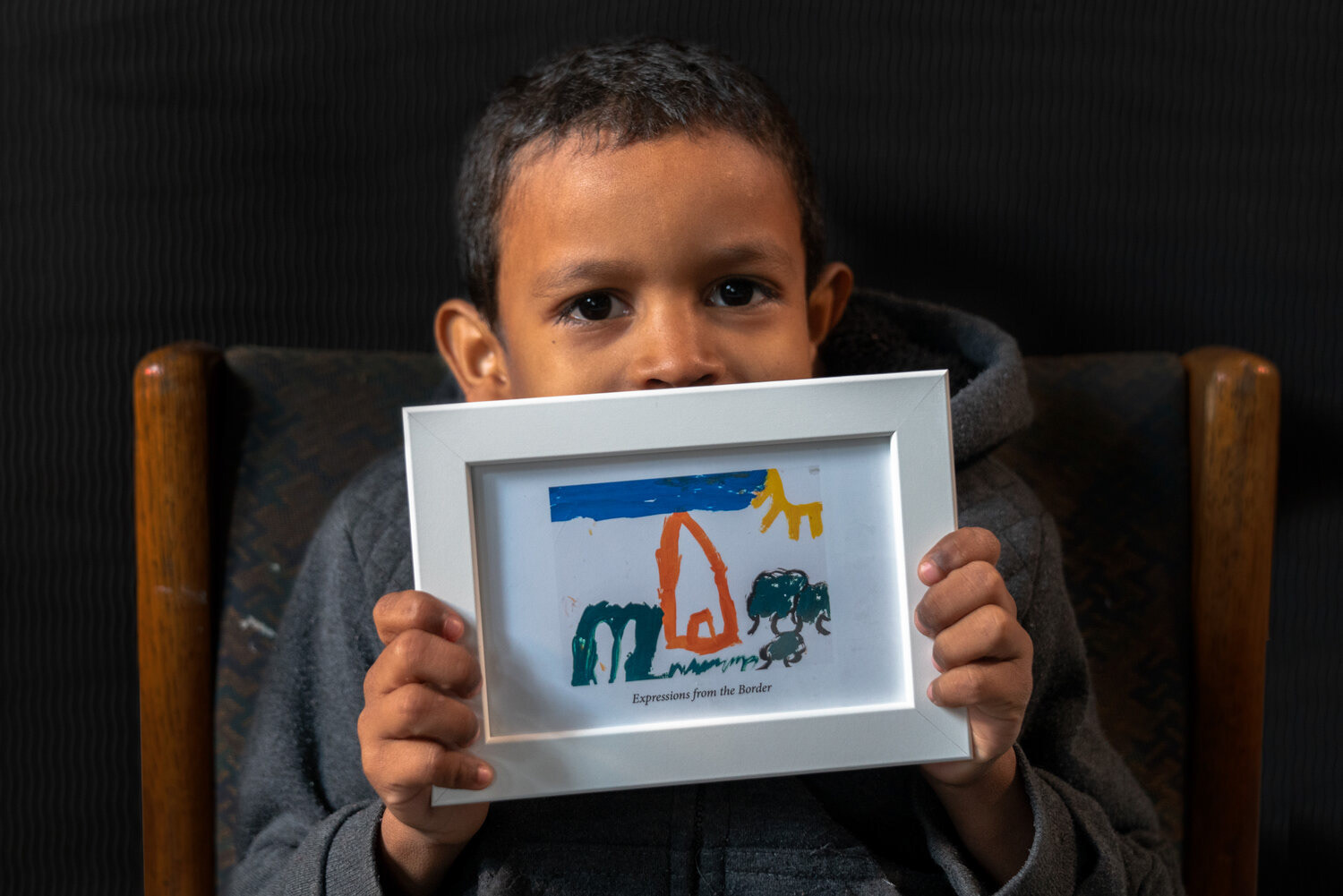
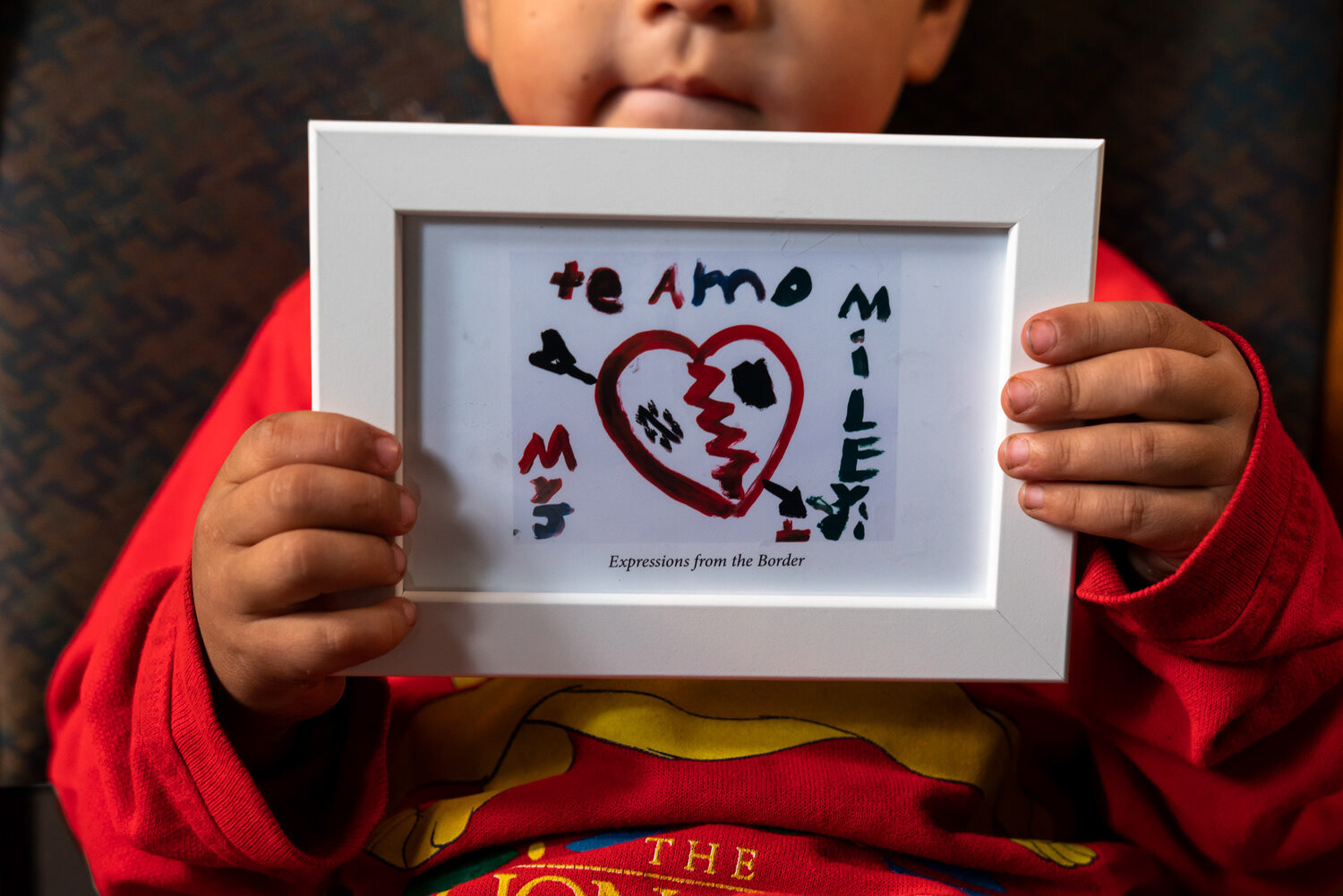
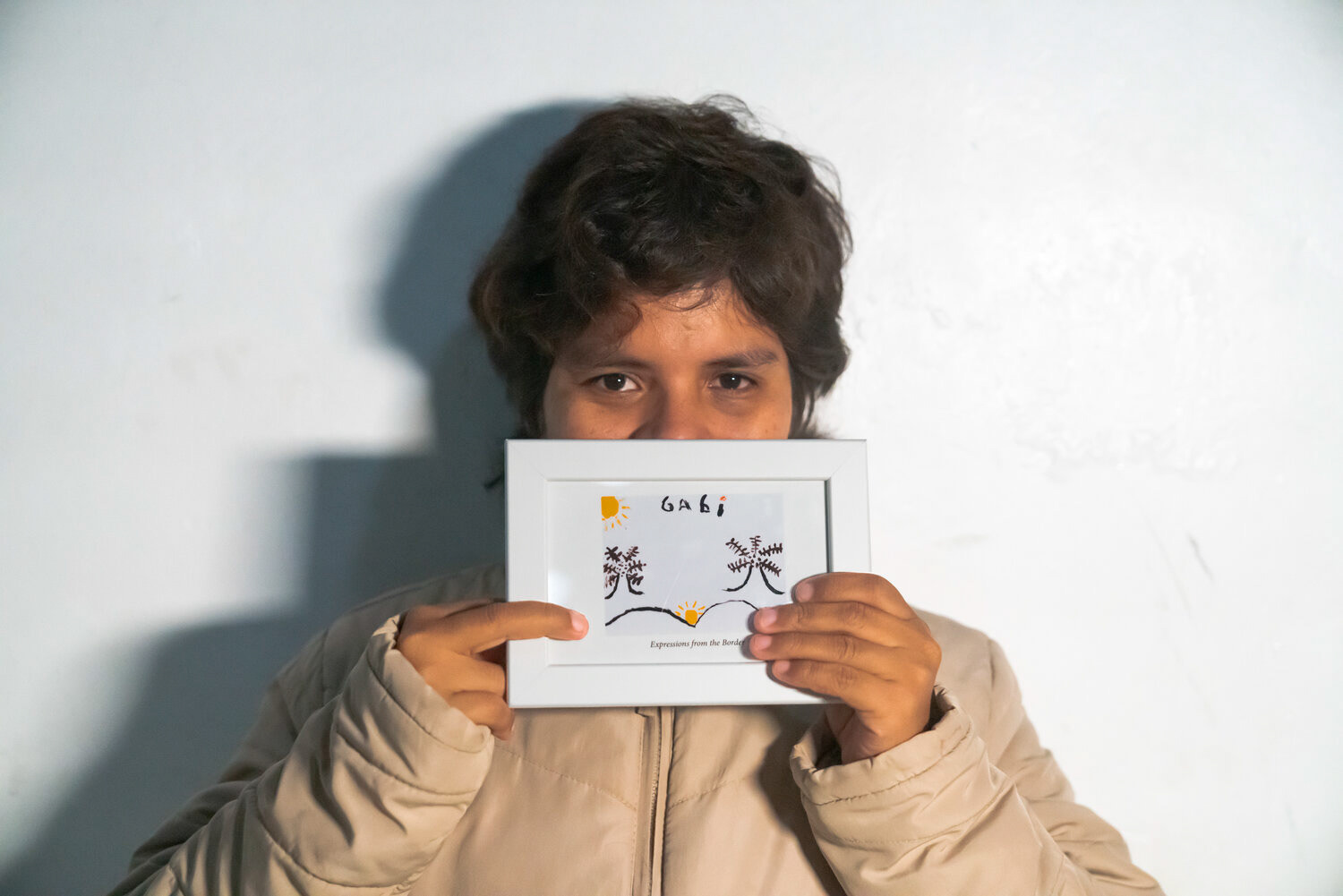
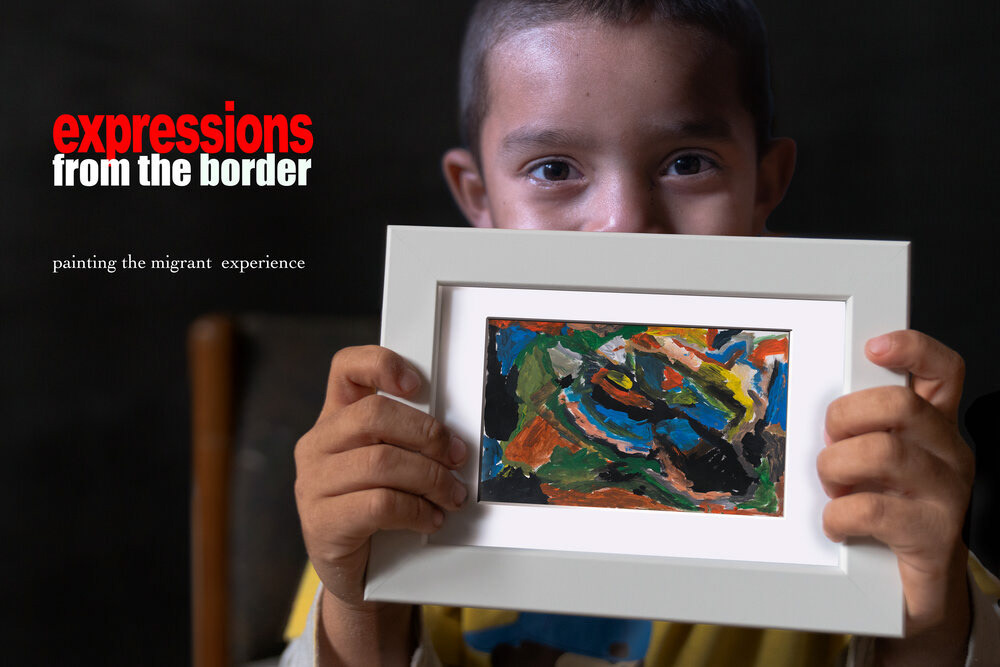
The resulting drawings and paintings were striking in their directness—renderings of borders crossed and borders denied, homes left behind, imagined futures, and the emotional weight of displacement. Art Day became a space where language barriers dissolved, allowing participants to communicate experiences that might otherwise remain inaccessible.
More than an artistic exercise, the event offered migrants agency within their own narratives. It shifted the project from observation to exchange, from documentation to collaboration.
Rose and Adelson’s work ultimately stands as both record and appeal: a documentation of life at the border and a reminder that policy debates are lived, daily, by individuals and families. The project asks viewers not only to witness these stories, but to consider their own role in responding to them.


Border Wall
Border Wall
Border Wall
Border Wall
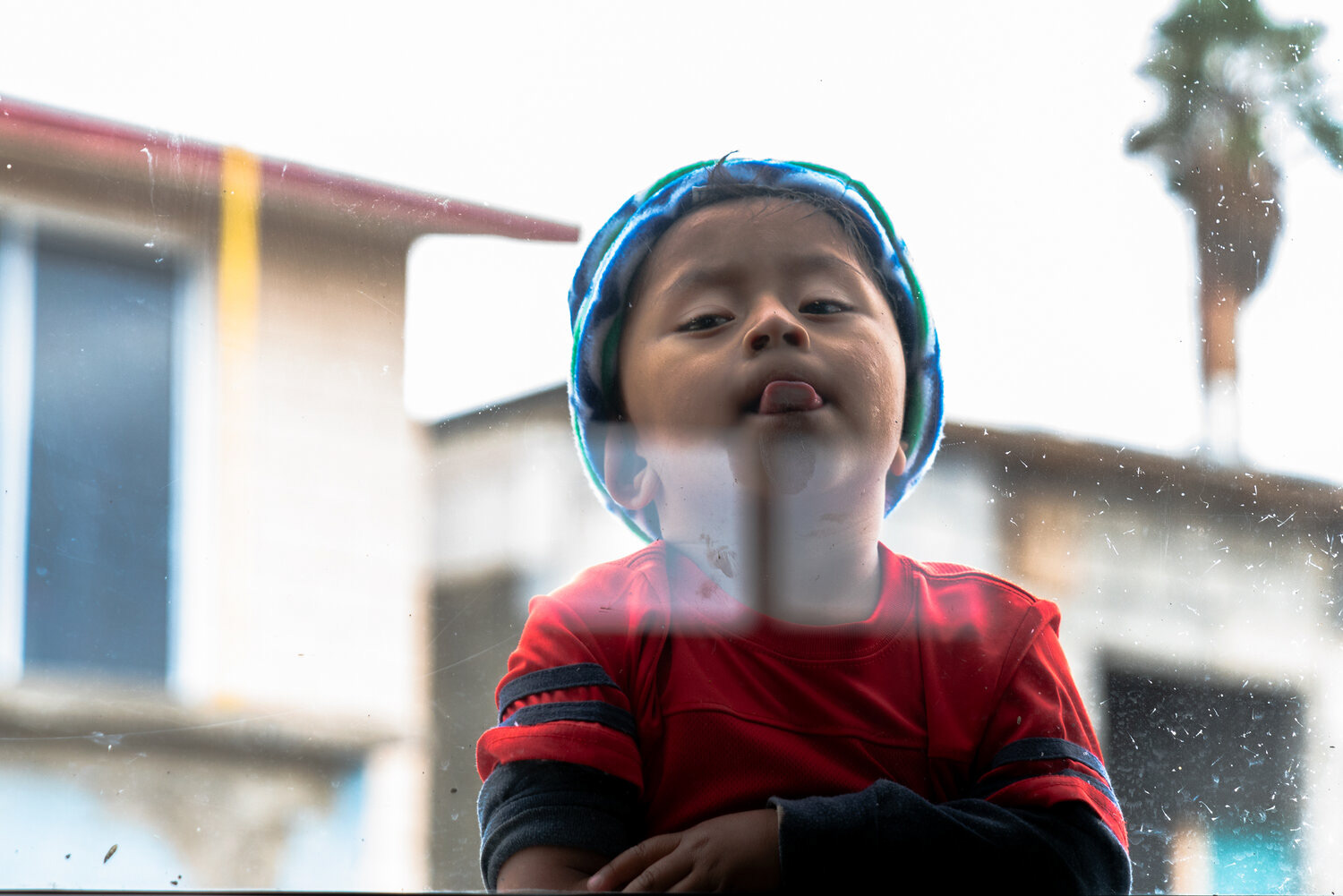
The children's day of art
The day offered a powerful platform transcending language for migrant children to express themselves in an immediate, personal way and share their side visually. Iglesia Embajadores de Jesús, a large migrant shelter on the outskirts of Tijuana, located in a narrow canyon along a dusty road, houses refugees from Haiti and various countries in Central America. It was within this shelter that the children created dozens of emotionally charged and striking paintings  that vividly portrayed their journeys to reach the American border.
Iglesia Embajadores de Jesus, a large migrant shelter in Tijuana located in a narrow canyon on the outskirts of Tijuana